In 2026, the gap between a criminal’s profit and a clean bank account is bridged by a series of invisible, high-speed digital handoffs. If you look at the books of a major global bank today, you aren’t just seeing commerce; you are likely seeing bits of a $5 trillion illicit puzzle moving in plain sight. For any professional in the financial or legal sector, missing the signs of this “middle phase” isn’t just an error—it’s a direct ticket to a federal investigation.
While most people focus on the initial deposit of cash, the real magic happens when that money starts to travel. We’ve spent years digging through leaked documents and offshore files to understand how modern cartels use “layering” to turn a trail of blood into a trail of boring spreadsheets. This article will show you exactly how these criminals outrun the law and what you need to do to stop them from using your business as a laundry mat.
So, What Is Layering in Money Laundering?
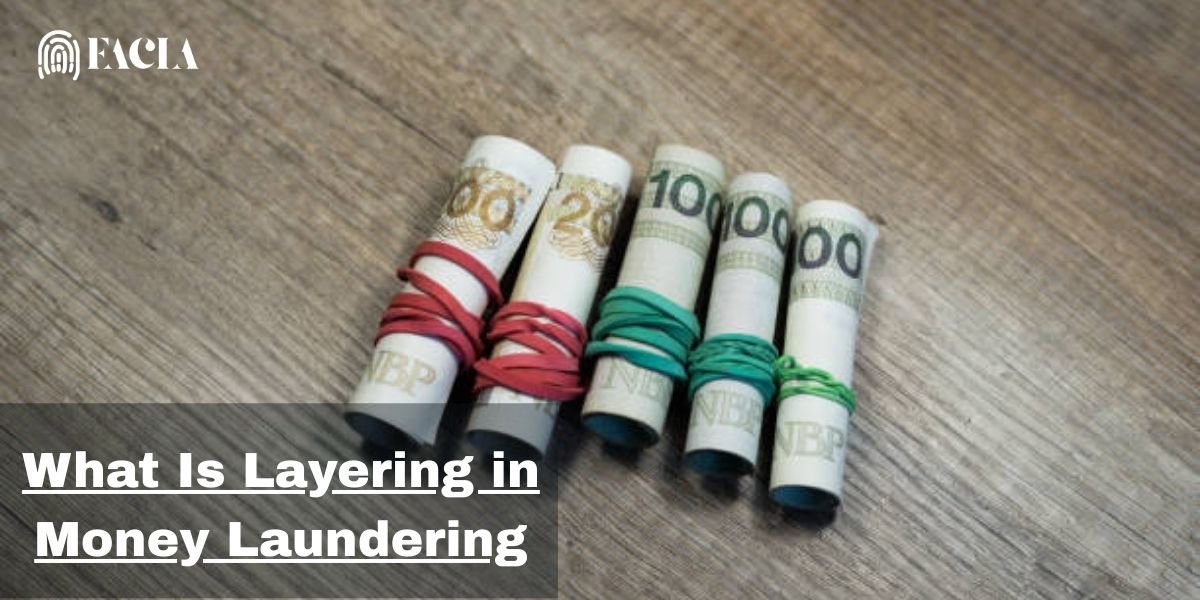
The money laundering layering definition is best described as a financial smoke machine. Once illegal cash enters a bank, it is easily flagged by investigators. To fix this, criminals move the money through dozens of different accounts, assets, and countries. This stage creates a messy web of trades that makes it impossible to see where the money started.
In my experience, what does layering mean in money laundering is all about breaking the link to the crime. It is the most complex part of the process. Criminals use everything from high-end art to complex stock trades to hide the truth. By the time they are done, the dirty money looks like a regular payment for a business service or a legal loan.
Layering Within the Money Laundering Cycle
To stop a launderer, you have to know where they are in their three-step journey. Layering money laundering is the critical bridge between getting money into the system and being able to spend it.
- Placement: The first step where cash is put into a bank or used to buy a money order.
- Layering: The second stage of money laundering where funds are shuffled to hide their source.
- Integration: The final step where the money comes back to the criminal as “clean” wealth.
Layering is where the criminal is most active but also where they leave the most digital footprints. While the first stage is about physical cash, this second stage is about using the speed of global banking to confuse the authorities.
Purpose of the Layering Stage
The primary goal of layering in money laundering is to destroy the audit trail. If an investigator follows the money, they should hit a dead end. By moving funds through shell companies, criminals mask the “beneficial owner”—the real person who is getting rich from the crime.
Another purpose is to bypass international sanctions. Rogue states often use layering to pay for forbidden goods by making the wire transfer look like a payment for “medical supplies.” This stage turns a marked dollar into an anonymous digital credit that flows through the system without raising a single red flag.
How Does Layering Work in AML
In the world of layering in aml (Anti-Money Laundering), banks use powerful software to hunt for “nonsense” transactions. Compliance officers don’t just look at the amount of money; they look at where it is going and how fast it is moving. If a customer sends ten wire transfers to ten different countries in one hour, the system freezes the account.
Study Note: The 2025 Speed Trap
A recent 2025 study on financial crime found that “latency” is a key red flag. Criminals try to move money faster than bank compliance teams can review it. New AI tools in 2026 now use “velocity checks” to spot layering by flagging accounts that move money out as soon as it arrives.
Common Techniques Used to Obscure Illicit Funds
Criminals use a variety of tricks to keep their money hidden. These are the most common methods seen today:
- Shell Companies: Fake businesses that only exist on paper to receive and send money.
- Asset Flipping: Buying a luxury yacht with dirty money and selling it for a clean bank check.
- Offshore Hopping: Sending money to a country with weak laws so the trail “goes dark.”
- Crypto Mixing: Using software to blend coins with other users’ money to hide the owner.
Financial Instruments and Transaction Types in Layering
The money laundering layering process relies on several different tools to stay under the radar.
| Instrument | How it is used in Layering |
| Wire Transfers | Moving money between banks in different time zones in seconds. |
| Trade Invoices | Faking the price of goods to move extra “dirty” cash as a payment. |
| Stock Churning | Buying and selling shares rapidly to hide the source of the capital. |
| Stablecoins | Using digital dollars to move millions across borders without a bank. |
Examples of Layering Transactions
One major layering in money laundering examples involved a group in Miami using “smurfs.” These people made small deposits in 50 different banks. The money was then wired to a shell company in Panama. That company then used the funds to buy a “consulting service” from a second company in Europe, effectively burying the trail.
Another case in 2024 involved a hacker group. They stole $50 million and moved it through 200 different crypto wallets. By using “atomic swaps”—a way to trade one crypto for another instantly—they made it impossible for the FBI to follow the blockchain trail until the money was finally cashed out in a tax haven.
Challenges for Detection and AML Controls
The biggest challenge for 2026 is the rise of Decentralized Finance (DeFi). In this system, there is no bank to check IDs or report suspicious deals. Criminals can layer money through “smart contracts” that act as automatic, anonymous middle-men.
Also, the sheer volume of global trade makes it easy for bad actors to hide. When billions of legal deals happen every day, a single layering transfer is like a needle in a haystack. Banks must now spend millions on AI just to keep up with the increasing complexity of these “ghost” networks.
Conclusion
Understanding what is layering in money laundering is the only way to build a real defense against modern crime. It is the most secretive and dangerous part of the cycle. By focusing on the stages of layering money laundering, we can catch criminals before their dirty money becomes “clean.” As we head further into 2026, staying one step ahead of these digital tricks is the only way to keep our financial system honest.
FAQ
What is the simplest layering definition?
Layering is the second stage of money laundering. It is when a criminal moves money through many accounts to hide where it originally came from.
Why is layering called the “second stage”?
It happens after “placement” (getting the money in) and before “integration” (spending the money). It is the middle part that hides the trail.
How do banks spot layering?
They use software to find “red flags.” This includes rapid transfers, money going to offshore accounts, or customers using many different shell companies.
Can layering happen with cryptocurrency?
Yes. Criminals use “mixers” to shuffle coins with other people’s money. This breaks the link between the original wallet and the final destination.
What is a “shell company”?
It is a business that only exists on paper. It has no real office or workers. It is used to hide who really owns the money being moved.