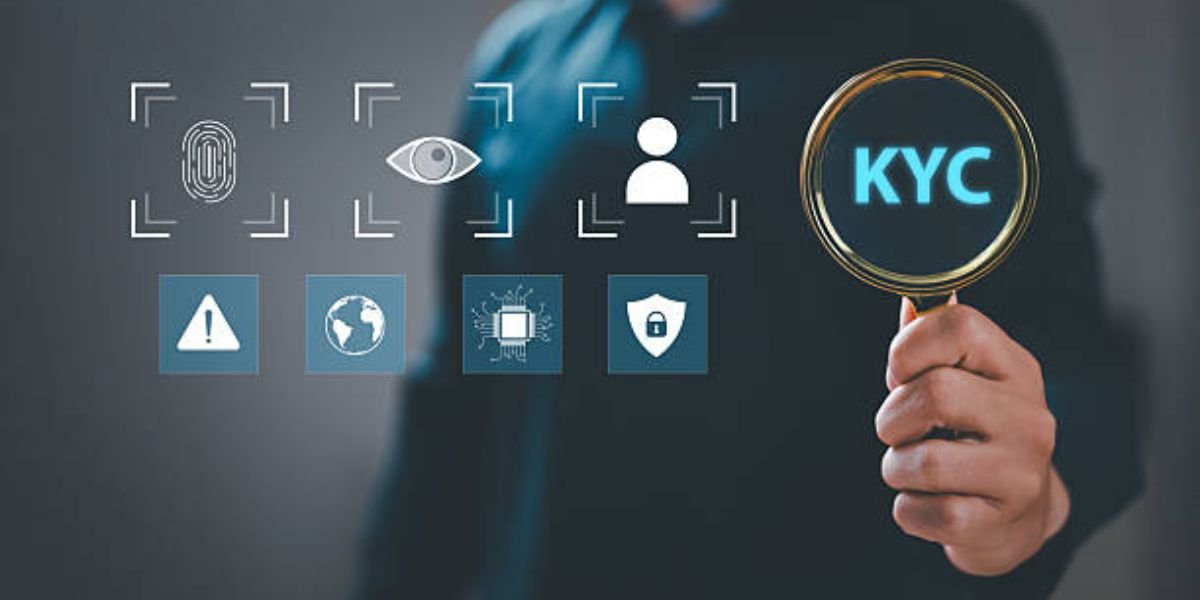
In 2025, a nationwide study by GASA found that scams caused a staggering $64 billion in losses, with nearly 77% of Americans targeted by fraudsters almost daily. To survive this wave, the U.S. financial system has moved beyond simple “ID checks.” If you are opening an account at Chase or Ally today, you aren’t just filling out a form; you are entering a high-tech verification gate.
This gate is built around what is a KYC document, the essential proof that you are a real person and not a digital bot or a stolen identity. Without these documents, you are effectively invisible to the banking world. Let’s dig into the 2026 standards for these papers so you can pass your next security check without a hitch.
What Is a KYC Document
A kyc document is a government-issued record that proves your identity and where you live. KYC stands for “Know Your Customer,” and it is the legal standard required under the USA PATRIOT Act.
These papers are the primary tools used by FinCEN to stop money laundering. If a bank cannot verify what is a KYC document for you, they are legally barred from opening your account. Think of it as your “permission slip” to participate in the American economy.
Why KYC Document Verification Matters
The process of kyc document verification is what keeps your personal wealth safe from “synthetic identity theft.” This is a growing crime where hackers mix your real Social Security Number with a fake name to create a ghost persona.
Research from LexisNexis Risk Solutions in 2025 shows that for every $1 lost to fraud, it now costs U.S. financial services firms $5.75 in recovery, legal fees, and labor. This is why banks like Capital One are so aggressive with their checks. By verifying these documents, they ensure that only the real you can access your funds.
What Are KYC Documents
To meet federal Customer Identification Program (CIP) rules, you must prove four things: your name, birth date, physical address, and your SSN. Modern compliance in 2026 often requires “Primary” and “Secondary” evidence to ensure authenticity.
Proof of Identity (POI) Documents
- U.S. Passport or Passport Card
- State Driver’s License (Must be REAL ID compliant)
- Permanent Resident Card (Green Card / Form I-551)
- U.S. Military ID (Common Access Card or DD Form 2)
- Certificate of Naturalization or Citizenship
- Employment Authorization Document (EAD / Form I-766)
- Tribal ID Card (Federally recognized)
Proof of Address (POA) Documents
- Utility Bills (Electric, water, gas, or trash issued within 60 days)
- Housing Records (Current mortgage statement or signed residential lease)
- Official Government Mail (IRS tax letters, SSA statements, or Jury Summons)
- Bank or Brokerage Statements (Showing current residential address)
- Voter Registration Card
- Property Tax Bill (For the current tax year)
- Homeowners or Renters Insurance Policy (Valid and current)
Proof of Income or Source of Wealth
- Recent Pay Stubs (Last 30–60 days)
- W-2 or 1040 Tax Returns (Certified by the IRS)
- 1099 Forms (For independent contractors)
- Social Security Benefit Award Letters
- Investment Statements (Dividends or capital gains records)
- Inheritance Records (Succession certificates or legal trust documents)
- Property Sale Contracts (Settlement statements or deeds)
KYC Documents for Businesses and Legal Entities
If you own a company, the bank must look deeper to find the humans behind the brand. This is a requirement of the Corporate Transparency Act, which aims to eliminate “shell companies” used for tax evasion.
Corporate KYC Documents
- Articles of Incorporation or Organization
- EIN Confirmation Letter (IRS Form CP575 or 147C)
- Business License (State or Occupational permit)
- Operating Agreement or Bylaws
- Certificate of Good Standing (From the Secretary of State)
- Commercial Lease Agreement (Verification of physical operating address)
Beneficial Ownership Documentation Banks must identify any “Beneficial Owner” who holds 25% or more of the company. These owners must provide their own personal kyc document sets, including their home address and photo ID. This prevents criminals from hiding their money behind layers of legal paperwork.
KYC Requirements for Banks and Financial Institutions
Every bank kyc program is a non-negotiable legal requirement. From local credit unions to massive firms like Wells Fargo, they must all follow FinCEN guidelines. If a bank ignores these kyc requirements for banks, they face massive fines that can reach billions of dollars. This is why you must provide fresh documents even if you have been a customer for years.
How KYC Document Verification Works
Checking your papers has moved from a paper-pushing task to an instant digital scan. Banks now use two main methods to ensure your documents are real.
Manual KYC Verification
This is the “high-touch” method. A human compliance officer looks at your physical document. They check for fake holograms, altered fonts, or signs of photo-swapping. This is usually reserved for very large business deals or high-risk accounts.
Digital KYC and eKYC Verification
Most Americans now use digital kyc. You take a photo of your ID and a “live” selfie with your phone. The kyc document verification software instantly matches your face to the ID and checks government records in real-time. This eKYC method allows you to open an account in under five minutes.
Role of Technology in KYC Verification
Technology has turned what is kyc verification into a battle against “deepfakes.” In 2026, most banks use Biometric Liveness detection.
During your scan, the app might ask you to blink or turn your head. This proves you are a living human and not a high-definition video being played into the camera. According to Veriff, this technology has cut onboarding times by 80% while making it nearly impossible for bots to sneak in.
KYC Documents in the Customer Due Diligence Process
KYC is the first step of Customer Due Diligence (CDD). This is how the bank decides your “risk score.”
- Low Risk: Regular employees with steady paychecks.
- Medium Risk: Small business owners with frequent transfers.
- High Risk: “Politically Exposed Persons” (PEPs) like government officials. These people face Enhanced Due Diligence (EDD).
Common Challenges in KYC Documentation
Most people get rejected during KYC verification for tiny, avoidable reasons.
- Expired ID: If your license expired yesterday, the software will block you instantly.
- Camera Glare: A flash that covers your name or birthdate makes the document unreadable.
- PO Boxes: Federal law generally requires a physical “rooftop” address. Using a PO Box will cause an immediate rejection for bank kyc.
Conclusion
As a financial investigator, I have seen how a single kyc document can be the difference between a secure account and a total identity loss. These rules might feel like a hassle, but they are the primary shield for the American economy. By keeping your IDs updated and using clear, glare-free scans, you ensure your entrance into the financial world is fast, secure, and permanent.