The world of online dating has transformed how we find love, offering endless possibilities right at our fingertips. Yet, with millions of profiles comes a rising challenge: trust. How can you be sure the charming person you’re chatting with is who they claim to be?
The digital age has created a dangerous “trust gap,” fueled by catfishing, bots, and romance scams. Statistics show this is a major issue: one survey found that approximately 10% of all online dating profiles are fraudulent or fake, and the average financial loss per victim of catfishing scams is estimated to be over $2,000.
Fortunately, the answer is here: online dating identity verification. Verification is no longer a nice-to-have; it’s a critical safety tool. It’s the essential step platforms take to bridge the trust gap, allowing you to focus on genuine connection without constantly worrying about fraud.
Introduction to Online Dating Identity Verification
Online dating identity verification is the process of confirming that a person is real and who they claim to be. It uses technology, documents, and biometric checks to prevent fake accounts and scammers.
As dating platforms grow, so do security threats. Today, millions of users join dating apps every year, and cybercriminals often target these platforms because users are more emotionally open and trusting. Safe online dating verification helps reduce these risks and creates a more trustworthy environment for everyone.
Types of Identity Verification Used in Dating Platforms
Different platforms use different levels of verification, including:
- Photo and selfie verification to match the face to the profile pictures.
- Government ID verification to confirm legal identity.
- Phone number and email verification to reduce fake account creation.
Why Safe Online Dating Verification Matters More Than Ever
When you interact with a verified profile, you gain a level of certainty that completely changes the dynamic of your digital connection.
Combating Catfishing & Romance Scams
Catfishing—the act of creating a fake profile to deceive someone—is the most common form of fraud. Verification directly combats this by ensuring the person in the photos is the same person using the app. By removing the ability to hide behind stolen images, platforms can significantly reduce the emotional and financial harm caused by romance scammers who often spend weeks or months building trust before asking for money.
Protection Against Malware & Phishing
Many fake profiles are not run by individuals but by bots or organized crime groups. Their goal is not romance but theft. Verification systems help identify and eliminate bot networks that often try to push users off the app to external links designed to spread malware or steal login credentials (phishing).
Preventing Code Verification Scams
A specific type of scam involves a new match asking for a “verification code” that they claim was mistakenly sent to your phone. They are actually attempting to log into your other accounts (like WhatsApp or email). Verification systems and user education help raise awareness, making users less susceptible to such social engineering tactics.
Building Psychological Trust
Ultimately, verification is a trust signal. Research suggests users feel more comfortable and are more likely to engage meaningfully with profiles that display a verified badge. For users, the blue checkmark means peace of mind; for platforms, it means higher-quality interactions and better user retention (Source).
How Modern Dating Systems Verify Your Age
The backbone of a truly safe online dating verification system is advanced technology, utilizing AI and biometrics to confirm that a profile is tied to a real, live human. This sophisticated infrastructure works in multiple, overlapping layers.
Foundational Methods: From Manual Checks to Initial Screening
Before the high-tech systems kick in, every platform starts with basic gatekeeping. Traditionally, this involved manual reviews of profile photos and bios. Today, the process is streamlined:
- Email and Phone Validation: Every user must bind a valid email and phone number, which is a simple yet crucial first step in preventing mass bot creation.
- Initial Data Consistency Checks: The system checks for glaring inconsistencies, like a profile claiming to be 25 years old but using a profile photo that has been widely used online for over a decade.
The Role of Automation for Scale and Real-Time Speed
Modern dating platforms handle millions of new users daily. Manual verification is simply too slow. This is where automation shines. Automated identity verification processes allow platforms to perform complex security checks in seconds.
By leveraging APIs (Application Programming Interfaces), platforms can execute multiple checks simultaneously, allowing for real-time verification decisions. This means a new user can complete the process and receive their “Verified” badge almost instantly, providing a smooth user experience without compromising security.
ID Scanning, Biometrics, and Facial Recognition Integration
This is the most secure layer, designed to eliminate catfishing and impersonation.
- Document Verification: Users upload a government-issued ID (like a passport or driver’s license). The system automatically scans the document, verifying its authenticity, checking the holographic security features, and extracting the key data.
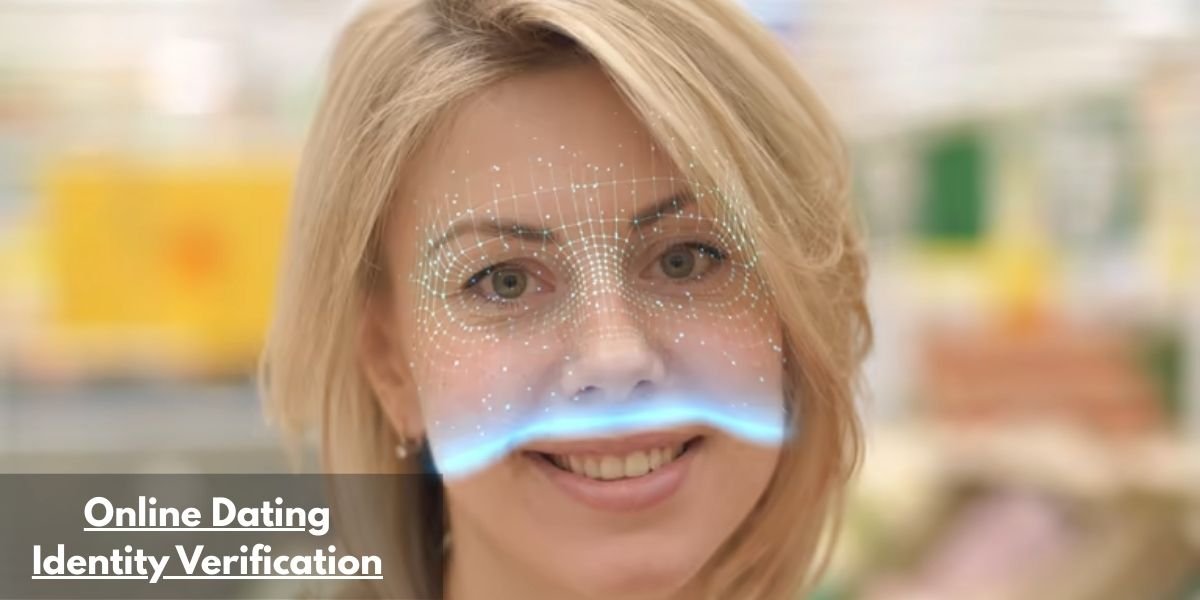
- Biometric Matching: The platform asks the user to take a real-time selfie. Facial recognition technology then compares the facial features from the selfie to the photo on the ID. This confirms the person registering is, in fact, the owner of the document.
Advanced AI: Detecting Fake IDs and Fraudulent Patterns
The sophistication of fraudsters has led to a need for equally sophisticated countermeasures. AI, particularly machine learning (ML), is the primary defense against advanced fraud, including deepfakes and AI-generated documents.
The AI system is trained on vast datasets of both real and fraudulent documents. It checks for micro-patterns invisible to the human eye:
- Liveness Detection: The AI analyzes subtle cues like micro-movements, reflections, or 3D depth to ensure the person is not holding up a printed photo or playing a pre-recorded video (spoofing).
- Metadata and Artifact Analysis: It inspects the image file itself, looking for signs of digital tampering—such as inconsistent lighting, compression artifacts, or metadata that suggests the image was created using editing software like Photoshop rather than a camera.
Multi-Layered Authentication (MLA) for Accuracy
True identity assurance comes from connecting multiple, disparate data points. AML combines several verification checks into one comprehensive assessment. For example, a system might require:
- A verified government ID.
- A successful biometric match.
- A confirmed phone number linked to a consistent geographic location.
This approach significantly increases accuracy and makes it extremely difficult for fraudsters to bypass the online dating verification system.
Mobile-First Approach for Seamless Remote Verification
Since dating happens primarily on mobile, the entire verification experience is optimized for the smartphone. Users can simply use their phone camera to capture ID documents and take selfies, turning what was once a clunky, browser-based process into a smooth, instantaneous interaction.
How Dating Apps Work to Verify Your Identity
Dating apps combine technology and user-friendly processes to ensure that every profile represents a genuine person, thereby minimizing scams and fostering trust in the digital dating world.
Preparing Your Documents for Online Dating Verification
Before starting the verification process, ensure that your government-issued ID is valid and that your selfies are clear, well-lit, and taken against a neutral background to maximize accuracy.
Completing Photo and ID-Based Verification
Upload your ID and follow app instructions for selfies or short videos; these are cross-checked to confirm your identity quickly and securely.
Troubleshooting Verification Failures
Verification may fail due to unclear images, expired documents, or improper lighting, so correcting these issues promptly ensures smooth approval.
User Registration and Account Setup
Begin by creating an account with a real email and phone number, forming the foundation for a secure and verified profile.
Document Upload and AI-Based Analysis
Once uploaded, AI scans your ID and selfies to detect inconsistencies, fake documents, or potential fraud within seconds.
Facial Recognition and Video Verification
Live selfies or videos are matched against your ID using facial recognition, adding an extra layer of security to confirm authenticity.
Social Media Integration and Two-Factor Authentication (2FA)
Linking social accounts and enabling 2FA provides additional protection, making it harder for scammers to impersonate users.
Background Checks in Dating Platforms
Some high-security platforms conduct background checks to identify malicious users and maintain a safer dating environment (Source).
Top Dating Apps That Prioritize Verification
Leading apps have made online dating identity verification a cornerstone of their user experience:
- Bumble: Requires users to complete Photo Verification to get a badge, making it easy to filter out unverified accounts. Their “Deception Detector” AI proactively tackles spam and fake profiles.
- Tinder: Offers Photo Verification globally and has continued to roll out ID Verification options in multiple markets, giving users a higher level of assurance.
- Hinge: Explicitly encourages “Selfie Verification” to ensure the person in the profile is consistently represented, aligning with their focus on finding genuine connections (Source).
Impact of Age Verification on the User Experience
Age verification ensures that only legitimate, age-appropriate users join the platform, strengthening overall trust without interrupting the smooth user experience.
Streamlined Verification Process
Advanced verification tools check a user’s age within seconds, allowing new members to complete onboarding quickly without unnecessary delays.
Enhanced Security and User Trust
Knowing the platform actively screens out underage or fake users gives people more confidence to interact freely and safely.
Positive Impact on User Retention
Platforms that enforce reliable age checks typically see higher retention, as users prefer environments where authenticity and safety are consistently prioritized.
Best Practices for Online Dating Platforms
By following proven best practices, dating platforms can significantly enhance user safety while improving the quality of interactions across the community.
Encourage Meaningful and Safe Interactions
Clear, easy-to-understand community guidelines set the tone for respectful communication and help protect users from harassment and abusive behavior.
Leverage AI for Match Accuracy
AI-driven algorithms match users more effectively by analyzing behavior patterns while simultaneously filtering out bots, fake profiles, and high-risk accounts.
Enable Video Profiles and Virtual Dates
Video-based features allow users to verify each other naturally, making it harder for scammers to hide behind fake images or misleading text.
Optimize for Mobile and Offer Safety Resources
Mobile-friendly design, in-app reporting tools, and accessible safety tips empower users to respond quickly to risks and stay protected at all times.
Offer Gamification Features for User Engagement
Reward-based, safety-conscious gamification increases engagement and encourages users to complete verification steps without compromising security.
What’s Next for Dating Identity Verification?
The arms race between security and fraud continues to drive innovation:
Blockchain Identity
The future may involve decentralized digital IDs (like the proposed European Digital Identity Wallet) that allow users to prove their age or identity without sharing all their personal data with the platform.
Deepfake Detection
As AI-generated profiles become more sophisticated, fraud detection systems must evolve to spot deepfake videos and hyper-realistic synthetic media in real-time.
Universal Digital IDs
Imagine a system where a single, secure identity credential could be used across multiple apps, simplifying onboarding while maintaining maximum privacy and security.
Frequently Asked Questions
Is online dating identity verification safe?
Yes, when implemented correctly, it significantly reduces fraud and fake profiles.
How long does online dating verification take?
Most platforms complete verification in under a few minutes.
Can scammers bypass online dating verification systems?
Advanced systems make it very difficult, but users should still stay alert.
What should I do if a verified profile behaves suspiciously?
Report the profile immediately and avoid sharing personal or financial details.
Is safe online dating verification mandatory on all platforms?
Not all platforms require it, but many are moving toward mandatory verification.
Is online dating verification real?
Yes, it’s widely used by reputable dating platforms.
How do you verify someone on an online dating platform?
You can request video calls, look for verified badges, and avoid rushed trust.
How can you tell if someone is an online dating scammer?
Watch for red flags like money requests, rushed relationships, and inconsistent stories.
What are the risks of skipping identity checks?
Higher chances of encountering scammers, bots, and fake profiles.
Are identity checks becoming standard in dating apps?
Yes, they are quickly becoming the industry norm.
Conclusion
The era of trusting a pixelated photo and a vague biography is over. Online dating identity verification empowers you to date smarter and safer. It removes the guesswork and provides a foundation of authenticity, allowing you to focus on the human connection that truly matters.
Start your next conversation with confidence. Verify your profile today to attract more genuine matches, and make it a rule to only engage with profiles featuring that reassuring blue checkmark for a truly safe online dating verification experience!