Digital identity fraud is rising at an alarming rate. Recent industry reports show a 32% increase in biometric spoofing attempts globally over the last year. As more apps use automated checks, the “pain point” for scammers is the advanced wall of AI security. Today, criminals no longer just use printed photos. They are deploying AI against AI, using high-budget deepfakes and injection attacks to try and fool the camera. For any user or business owner, understanding whether Yoti age verification is safe is critical because fraudsters are constantly looking for a weak link.
In this guide, I will break down the exact methods used to attempt an image to bypass Yoti face AI estimation. We will look at the sophisticated tech that allows Yoti to see through these tricks. As an expert following the latest cybersecurity trends, I can tell you that while the threats are getting smarter, the liveness Detection in modern systems is becoming nearly impossible to crack with a simple screen or a piece of paper.
What Is Yoti Face AI Age Estimation?
Yoti’s age estimation is a “Privacy by Design” tool. Unlike traditional facial recognition, it doesn’t care who you are. It only cares how old you are. It uses a neural network that has analyzed millions of human faces to identify the subtle signs of aging. Technical audits show that their system can now estimate the age of 6-to-12-year-olds within 1.3 years of accuracy.
What makes this system stand out is that it processes the image and then deletes it instantly. It does not build a database of your face. This is why Yoti age verification has become a top choice for platforms like Instagram. It bridges the gap between following strict age laws and keeping the user’s identity private.
How the Yoti Digital Identity App Works
The Yoti app acts as a secure digital passport on your phone. To set it up, you scan a government-issued ID. Yoti’s AI then checks the holograms and security features of that ID to ensure it isn’t a forgery. Once verified, the app creates a “biometric map” of your face to prove you are the owner of that ID.
When you need to prove your age at a store or online, you simply scan your face or a QR code. The app shares only the necessary info, like “Over 18,” and nothing else. This reduces the risk of identity theft because you aren’t showing your full ID to strangers. This is the core of what is Yoti—a tool built to give users total control over their personal data.
Why Age Verification Matters for Business Security
For businesses, the stakes are incredibly high. Regulatory bodies are handing out record-breaking fines for “Age Gating” failures. In many regions, selling age-restricted products to a minor can result in losing a business license or paying millions in penalties.
Beyond just the law, it is about child safety. Statistics from global safety foundations show a massive spike in minors accessing adult content online. Implementing a robust Yoti age verification system protects children from harmful content. It also shields businesses from “human error” where a tired clerk might forget to check an ID properly.
Why Anti-Spoofing Is Critical for Facial Age Estimation
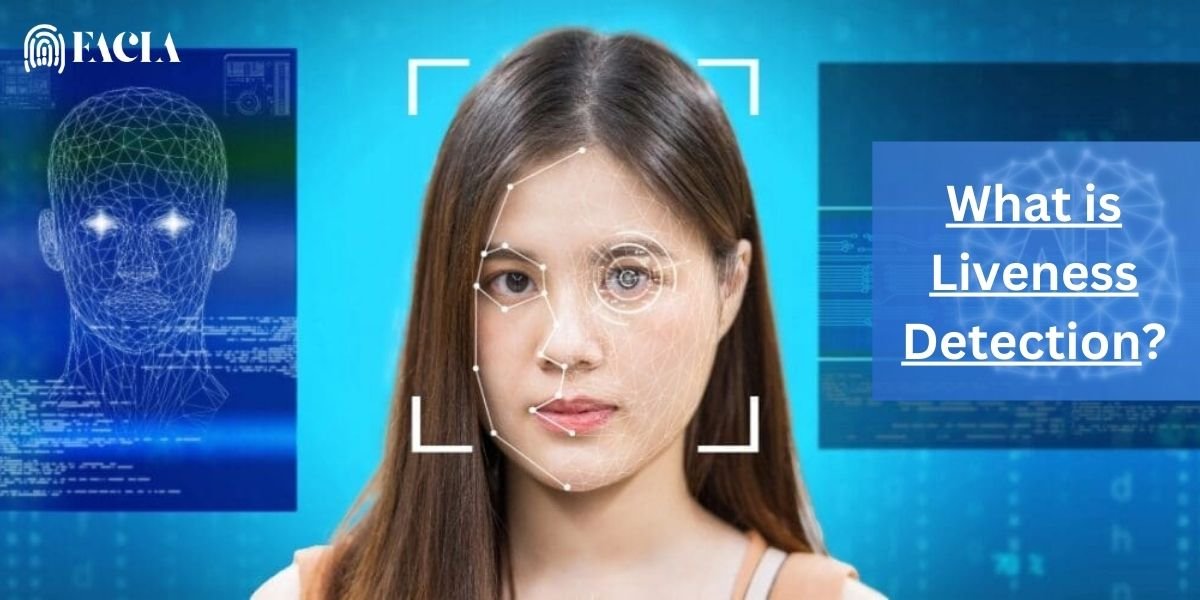
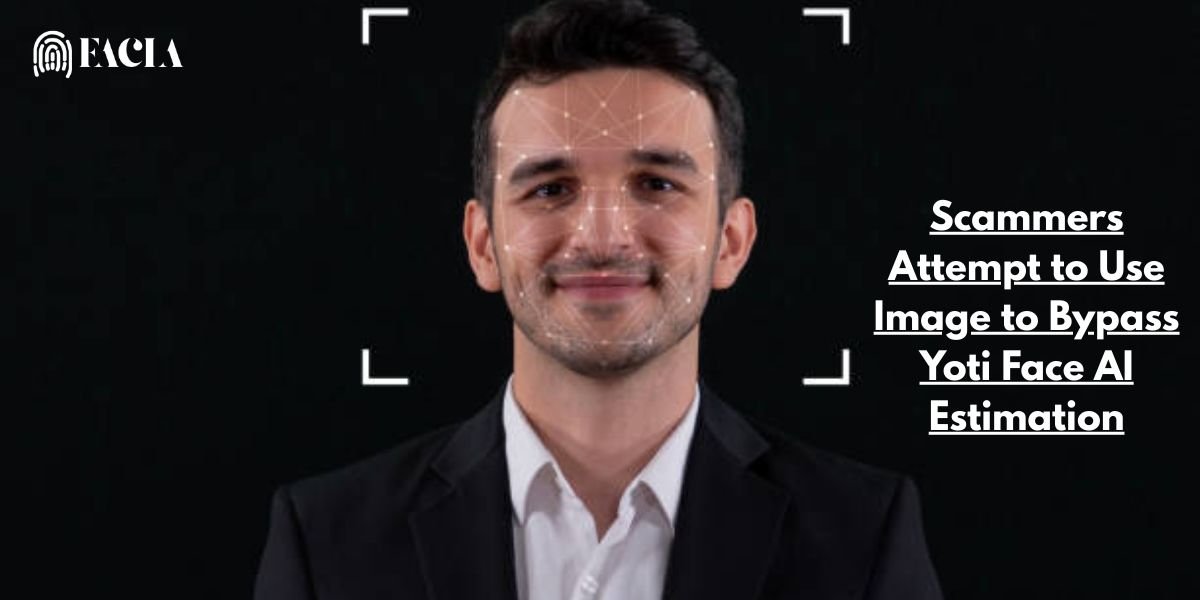
If an AI can be fooled by a photo, the system is useless. This is why “Anti-Spoofing” or “Liveness Detection” is the most complex part of the software. Fraudsters frequently try to find an image to bypass Yoti face ai estimation because it is the most accessible trick for them.
Without anti-spoofing, a criminal could use a high-resolution 4K monitor to play a video of someone else. Modern liveness tech looks for “sub-surface scattering.” This is the way light moves through human skin compared to how it reflects off a screen. This is a primary reason why is Yoti age verification safe; it checks for biological markers, not just a flat image.
How Scammers Try to Bypass Facial Verification Systems
The world of “spoofing” is divided into three main levels of attacks. Each one is more complex than the last.
Presentation Attacks (Photos, Printed Images, Masks)
The most common attempt is a “Presentation Attack.” Scammers hold up a high-quality photo or a lifelike 3D mask. Industry standards show that “Level 1” attacks are easy to spot, but “Level 2” attacks use curved photos to mimic the 3D depth of a face. Yoti uses depth-sensing to ensure the object in front of the camera has a nose, chin, and forehead in the right places.
Deepfakes and AI-Generated Images
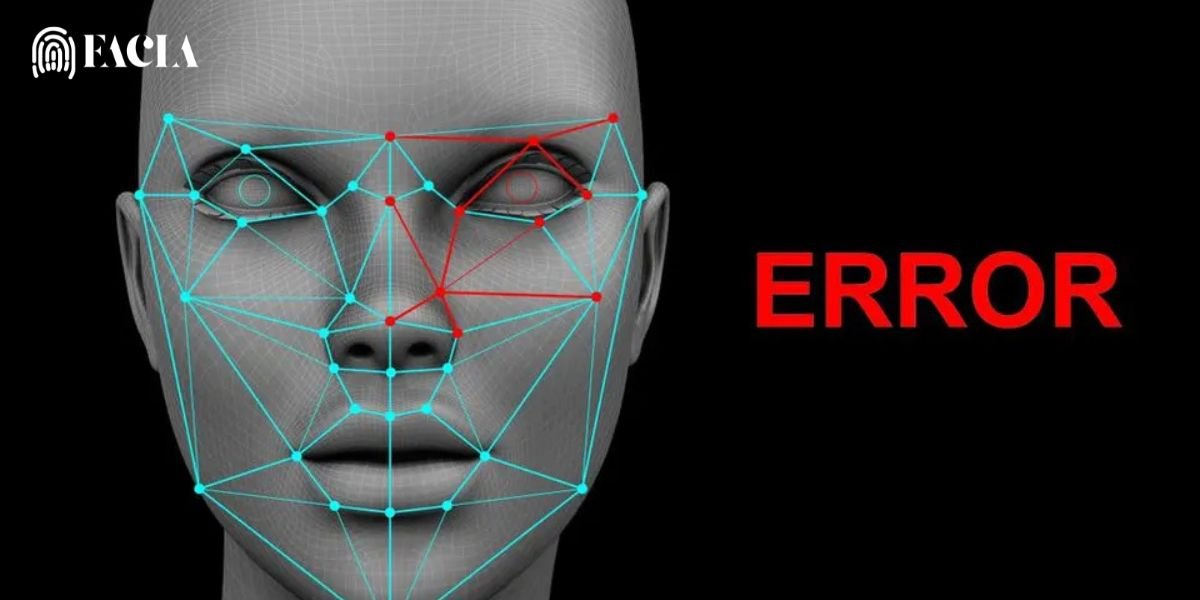
Deepfakes are the new frontier of fraud. A scammer can use AI to swap a minor’s face with an adult’s face in real-time. They might try to use this bypass face verification method during a live scan. However, deepfakes often have tiny “glitches” around the eyes and mouth that Yoti’s AI is trained to detect.
Injection Attacks and Virtual Cameras
An injection attack is the most dangerous. Instead of showing something to the camera, the scammer hacks the software to send a fake video file directly into the data stream. They use “Virtual Cameras” to pretend they are live. This is a common tactic for those trying how to bypass id verification on a computer rather than a phone.
How Yoti Prevents Image-Based Bypass Attempts
Yoti uses a “Passive Liveness” system. This is brilliant because the user doesn’t have to do anything weird, like blink ten times or turn their head. The AI analyzes the pixels for “moiré patterns.” These are the tiny grids of dots that appear when you photograph a screen.
If you try to use an image to bypass Yoti face ai estimation, the system will see those tiny digital dots that are invisible to the human eye. It also monitors the “micro-textures” of the skin. Human skin has pores and tiny hairs; a printed photo or a mask has a completely different texture that the AI flags immediately.
Why Simple Image Tricks Usually Fail Against Yoti
Most “hacks” found on Reddit or YouTube involve holding a phone up to the camera. These fail because Yoti’s sensors can tell the difference between a 2D surface and a 3D head. Furthermore, the AI can detect the “frame rate” of a screen. If the image comes from another monitor, the “refresh rate” will not match the camera, causing a flicker the AI detects.
People often search for how to beat facial recognition, but for a top-tier system like Yoti, you can’t do it with a simple image. The AI is looking for “live” signals like the tiny change in skin color that happens with a heartbeat. This is a process called rPPG. A photo simply cannot mimic a pulse.
Best Practices for Secure Age Verification
- Natural Lighting: Avoid dark rooms. The AI needs to see skin texture clearly to verify liveness.
- Remove Accessories: Hats and large glasses can sometimes confuse the depth sensors.
- Direct Connection: Never use a VPN or “Virtual Camera” software, as these are flagged as high-risk.
- Clean Lens: A smudge on the camera can make the AI think you are a “blurry” spoof attempt.
Why You Should Trust Yoti Age Verification
Is Yoti safe? The data says yes. Yoti is the first company globally to achieve the Kitemark for Age Verification. They are also compliant with the ISO 27001 standard for information security.
They publish their “Transparency Reports” every year. These reports show how they are reducing bias and improving accuracy. Unlike other tech giants, Yoti’s business model is built on trust, not on selling your face to advertisers. This makes their Yoti age verification system a reliable partner for global platforms.
Conclusion
The attempt to use an image to bypass Yoti face ai estimation is a growing trend, but it is largely unsuccessful. From simple photos to complex deepfakes, Yoti’s multi-layered defense makes it one of the most secure systems on the planet. Whether you are a business looking to stay compliant or a user worried about privacy, understanding these security layers shows why Yoti age verification is the future. Scammers will keep trying, but as long as we use AI to detect biological “life,” a humble printed photo will never be enough to break the system.
Frequently Asked Questions
Is it possible to bypass Yoti with a 4K video?
No. Yoti’s AI detects the light reflection and pixel patterns that come from a screen. It can easily tell the difference between a digital display and real human skin.
Is Yoti safe for kids to use?
Yes. Yoti is designed to be anonymous. It estimates age without knowing the child’s name or address, which is much safer than uploading a birth certificate to a website.
What is an injection attack in face verification?
This is when a scammer tries to send a digital video file directly to the server instead of using a real camera. Yoti has security layers to detect when a camera is “virtual.”
How accurate is Yoti’s age estimation?
According to the latest independent audits, it is highly accurate. It can identify someone as “Under 25” with over 99% reliability.
What is Yoti’s policy on data storage?
Yoti follows a “Zero Knowledge” policy. Once the age check is done, the image is deleted immediately. They do not keep a database of your facial scans.
Can a high-quality 3D mask beat the system?
Most 3D masks fail because they lack the “pulse” (rPPG) and heat signature that Yoti’s advanced liveness sensors look for.