Providing alcohol to someone under 21 is more than a regulatory “hiccup”—it is a serious legal violation that can set off a chain of consequences. Whether it occurs at a crowded downtown bar or a backyard graduation party, the law takes underage alcohol service seriously and casts a wide net to ensure accountability.
But when the incident is over, who actually bears legal responsibility? To understand this issue, consider the following:
If a minor is served alcoholic beverages, who is legally responsible?
A. The server
B. The bartender
C. The bouncer
D. The employer
While these options imply that responsibility rests with a single party, the reality is more complex. The correct answer depends on the circumstances and the applicable alcohol liability laws. Below, this article explains the answer in detail, showing how legal responsibility often extends across multiple individuals and entities rather than falling on just one choice.
Understanding “Dram Shop” and “Social Host” Alcohol Laws
While the National Minimum Drinking Age Act sets the federal baseline at 21 years old, the “teeth” of the law are found at the state and local levels. These two legal concepts are the foundation of alcohol liability in the United States.
Dram Shop Liability (Commercial)
Named after the old-fashioned “dram” unit of measure, these laws hold commercial businesses accountable. If a bar serves a minor who then causes a crash, the bar is “on the hook” for the victim’s medical bills, lost wages, and pain and suffering.
Social Host Liability (Private)
This applies to non-commercial settings. A common myth is that “it’s safer for them to drink at my house where I can watch them.” Legally, this is false. If a parent allows a “teen party” with alcohol, they are often held to the same liability standards as a professional bartender.
Why the Law Restricts Alcohol for Minors
Minors are particularly vulnerable to the effects of alcohol, and early consumption can lead to:
- Health risks: Impaired brain development, liver damage, and increased risk of addiction.
- Social and legal consequences: Poor academic performance, risky behavior, and legal trouble.
- Accidents and injuries: Increased likelihood of car crashes, falls, and violent incidents.
These risks are why laws strictly regulate alcohol service to individuals under 21.
What If the Minor Uses a Fake ID?
One of the most common questions is: “Am I still responsible if they showed me a fake ID?”
The answer depends on the Standard of Diligent Inquiry. The law generally expects a server to act as a reasonably prudent person. If a minor presents a high-quality fake ID that would fool an expert, the server may have a good-faith defense.
However, if the ID was obviously altered, expired, or clearly did not match the person holding it, the server remains fully liable. Many states now encourage—or require—the use of electronic ID scanners to remove human error from this process.
The Chain of Liability: Who is Responsible if a Minor is Served?
When a minor is served alcohol, the legal system rarely looks for a single person to blame. Instead, liability often moves through a chain of individuals and entities.
The Server or Bartender
As the first line of defense, the individual who physically handed the drink to the minor is often the first person cited. Even if it was an honest mistake, the server can face personal fines and criminal charges.
The Business Owner or Licensee
Under the legal doctrine of vicarious liability, business owners are responsible for the actions of their employees. If a bartender serves a minor, the establishment’s liquor license—and its very existence—is put on the line.
The Social Host
Liability isn’t limited to businesses. If you host a party at your home and provide alcohol to minors, you are a social host. In many states, you can be held civilly and criminally liable for any injuries that result from that service.
Event Organizers
For festivals or weddings using temporary permits, the organizers share the responsibility of ensuring every pour station strictly verifies IDs.
The Driver’s Car Insurance Company
If an underage drinking incident leads to a car crash, insurance providers often become a secondary layer of the legal battle, as they may deny coverage for illegal acts or be sued by victims seeking damages.
Factors Contributing to Underage Alcohol Service
Why does this happen in the first place? It is rarely a deliberate attempt to break the law. Most cases of unlawful service stem from environmental factors:
Sophisticated Fake or Altered IDs
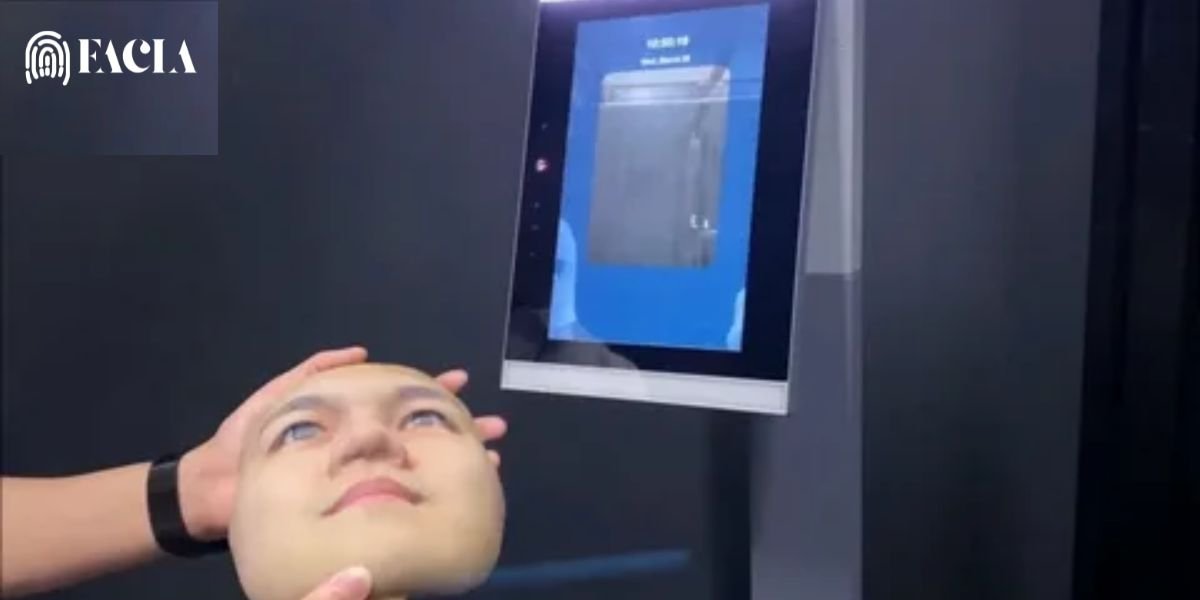
Modern forgery has reached a level of precision where a simple visual check is no longer enough. Many fake IDs now perfectly replicate holograms and watermarks that appear authentic to the naked eye. Without a dedicated scanning device or specialized training in tactile verification, even the most experienced server can inadvertently sell alcohol to a minor. This technical gap is a major factor in modern liability cases, as it proves that visual inspection alone is an outdated defense.
Staff Negligence
During a rush, servers might skip the ID check to save time or keep the line moving.
Miscommunication
A host might seat a group and assume the server has checked their IDs, while the server assumes the host has done so. This service gap is where most errors occur.
High-Risk Environments
Concerts, dark nightclubs, and stadiums make it physically difficult to inspect IDs properly.
Profit Pressure
In some cases, management might implicitly encourage fast service over strict compliance to maximize sales during peak hours.
Risks and Consequences for Serving Minors
Serving alcohol to minors comes with serious legal and personal risks. Immediate consequences may include fines or arrest, while long-term implications can involve permanent records or civil lawsuits.
If a Minor is Served Alcohol, Who is at Risk
- The minor: Health consequences and potential legal trouble.
- The server: Criminal and civil liability.
- The establishment: Financial penalties and loss of license.
- Parents or guardians: Legal repercussions if found negligent.
Special Cases and Scenarios
Certain scenarios amplify risk and liability:
- Minor at a party or private gathering: Hosts may be liable for underage drinking.
- Alcohol-related accidents: If a minor drives or causes harm while intoxicated, legal responsibility may extend to servers or guardians.
What Penalties May Occur When an Alcohol Server Unlawfully Serves a Minor
The penalties for a server are often immediate and severe. If you are caught serving a minor, you aren’t just looking at a slap on the wrist.
Administrative & Criminal Penalties
Most states classify serving a minor as a misdemeanor, but it can escalate to a felony if the minor is seriously injured or killed as a result of the intoxication. Aside from potential jail time, servers often face heavy personal fines and the permanent revocation of their server permit (such as a TIPS or RAMP certification), effectively ending their career in hospitality.
Civil Liability
Beyond the courtroom, there is the threat of a private lawsuit. If a minor leaves a bar and causes a fatal accident, the server can be sued personally by the victims for damages, which can reach into the millions of dollars.
Can a Minor Sit at a Bar in a Restaurant?
This is a gray area that varies widely by state. In some states, such as New York, a minor can technically sit at a bar if they are accompanied by a parent and only order food to eat. In other states, like Indiana, anyone under 21 is strictly prohibited from the bar area.
Even where it is legal, many establishments have a “House Policy” that forbids it. This is a smart move for business owners because it eliminates the risk of a pass-off, where an adult buys a drink and hands it to the minor sitting next to them while the bartender is busy.
A Quick Recap: If a Minor is Served Alcohol, Who is Responsible
| Party Involved | Potential Consequence |
| The Server | Fines, Job Loss, Criminal Record |
| The Business | Liquor License Loss, Civil Lawsuits |
| The Social Host | Personal Lawsuits, Jail Time |
| The Minor | MIP Charges, Driver’s License Suspension |
How to Handle an Incident (Post-Service Protocol)
If you realize a minor has been served, your actions in the next five minutes can determine the severity of the legal fallout.
- Immediate Response: Quietly but firmly confiscate the drink. Do not allow the minor to finish it or “take it to go.”
- Internal Investigation: Document exactly what happened. Who served them? What time was it? Did they show an ID? Collect security footage immediately before it is overwritten.
- Legal Reporting: In some jurisdictions, you are legally required to report the incident to the local liquor authority. While this seems counterintuitive, “self-reporting” often leads to lighter penalties than being caught by an undercover sting operation.
- Post-Incident Training: Use the event as a mandatory training session for all staff to ensure it never happens again.
How Can a Server Confirm a Guest is 21?
Verifying a customer’s age is one of the most critical daily tasks for any alcohol server or bartender. It is your primary defense against legal trouble. To ensure a guest is of legal drinking age, you should follow this multi-step verification process:
Demand Official Identification
Never rely on a guest’s word or a “vouch” from a friend. Only accept valid, government-issued documents. The most reliable forms include current driver’s licenses, official state ID cards, or passports.
Inspect Security Elements
Authentic IDs are designed with high-tech security features that are difficult to replicate. Take a moment to look for holograms that shift in the light, watermarks, or ghost images (smaller versions of the photo). If the card feels “flat” or lacks these tactile details, it may be a forgery.
Cross-Reference the Photo
Don’t just look at the birthdate; look at the face. Compare the ID photo to the guest standing in front of you. Pay close attention to permanent features like the shape of the nose, chin, and ear position, as these don’t change as much as hair color or weight.
Do the “Age Math”
Check the birthdate and do the calculation. Many modern IDs for minors are printed vertically to help you spot them, but you should always manually verify that the guest has officially crossed the 21-year-old threshold.
Leverage Modern Technology
Whenever possible, use an electronic ID scanner. These devices can instantly verify if a card is expired or if the encoded data on the magnetic strip matches the information printed on the front. It removes the pressure of human error during a busy shift.
Expert Insight: Always trust your gut. If an ID feels “off,” if the guest seems overly nervous, or if the card’s texture feels like simple plastic or paper, you have the right to ask for a second form of ID. When in doubt, it is always safer to refuse service than to risk a legal violation.
How to Prevent Underage Alcohol Service
- Invest in Tech: Use barcode scanners that read the magnetic strip on the back of the ID. These catch front-forged IDs where the front looks real, but the data on the back doesn’t exist or doesn’t match.
- Standardized Training: Programs like TIPS or ServSafe provide a legal “Safe Harbor” in many states, showing the court that the business took all reasonable steps to prevent illegal sales.
- The Refusals Log: Keep a notebook behind the bar to record every time you deny a sale. This is powerful evidence in a trial to prove your establishment has a culture of compliance.
When to Hire an Attorney
If you are a business owner facing a liquor license suspension or a victim of an underage drinking accident, you should not navigate this alone. Alcohol laws are incredibly dense and vary by county. A specialized attorney can help you determine if affirmative defenses apply to your case or help you seek the compensation you deserve.
Protect Your Business & Your Community
The best way to handle alcohol liability is to prevent it entirely. Ensure your staff is certified, invest in ID scanning technology, and never be afraid to “err on the side of caution” when a guest’s age is in question.
Are you looking to update your establishment’s alcohol safety policy? [Contact field’s expters today] for a consultation on compliance and risk management to keep your business—and your customers—safe.
Conclusion
Accountability in alcohol service is a shared burden. Whether you are a bartender, a restaurant owner, or a parent hosting a party, the legal net is wide and unforgiving. By using the “Feel, Examine, Ask” method and staying updated on local laws, you can protect your livelihood and your community.
Does your staff know how to spot the latest sophisticated fake IDs? [Contact us] to ensure your team never misses a red flag.