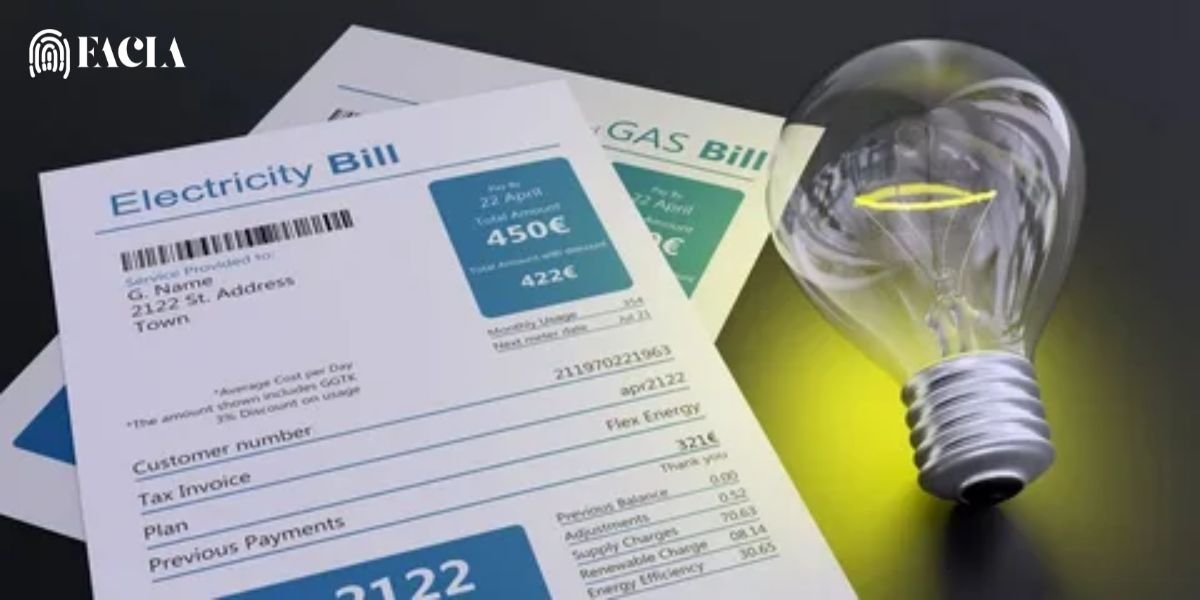
Have you ever been asked to provide a utility bill as proof of address? Whether you’re opening a new bank account, applying for a loan, or signing a lease, a utility bill is the gold standard for verification. Because they hold so much weight, the search for “fake utility bill” is common online.
However, treating these documents casually is a serious mistake. This isn’t just about a harmless prank; it involves fraud, legal penalties, and big financial risk.
This comprehensive guide is designed for two groups:
- Those who need to know how to spot a fake bill, such as landlords or businesses.
- Those who need to understand the severe consequences of using a fake bill.
We will provide you with the expertise to protect yourself and your business from this form of deception.
What Is a Fake Utility Bill?
A fake utility bill is a manipulated or fully fabricated version of an electricity, gas, water, or internet bill used to misrepresent a person’s identity or address. These bills may look extremely convincing, especially when created using advanced editing software.
Some forged bills are entirely digital, while others are printed to resemble genuine physical documents. Fraudsters often replicate genuine branding, invoice formats, and payment details to deceive individuals and organizations.
How Fake Utility Bills Are Created
Fake utility bills can be produced using:
- Downloadable templates from underground forums
- Edited versions of genuine utility bills
- PDF modification tools
- AI-based document manipulation tools
- Stolen personal data from phishing attacks
Some fraudsters take it a step further by duplicating meter readings, creating authentic-looking barcodes, and altering metadata to conceal signs of tampering.
Common Scams Via Fake Utility Bill
Before diving into the creation of fake documents, it’s essential to understand the broader landscape of scams involving utility companies. Criminals often try to trick consumers or businesses using seemingly legitimate documents.
Utility Provider Impersonation
This is often a phone or email scam where criminals pretend to be your power or water company. They claim your bill is past due and threaten immediate disconnection, pushing you to pay quickly via gift cards or wire transfers.
Fake Bill Creation
This is our core topic. It involves creating a forged document (a “fake utility bill”) to deceive an institution, typically to satisfy a Know Your Customer (KYC) requirement for identity verification.
Social Engineering Scams
Scammers might use a fake bill as bait to gain your trust. They may ask you to “confirm” your details to process a refund, leading you to accidentally reveal sensitive account information.
How to Identify a Fake Utility Bill (Step-by-Step)
Identifying a fake utility bill requires attention to detail. Here is a step-by-step breakdown of the most reliable red flags.
Check Formatting and Layout
Misaligned sections, inconsistent spacing, or unusual fonts often indicate tampering. Authentic bills maintain precise formatting that scammers rarely replicate perfectly.
Examine Logos and Branding
Look for low-resolution images, outdated logos, or incorrect brand colors. Genuine utility providers strictly enforce consistent branding across all documents.
Verify Customer Information
Check that names, addresses, and account numbers match official records. Discrepancies are a strong indicator of a fraudulent bill.
Review Billing Details
Compare usage patterns and charges with historical data. Sudden spikes or unusually low consumption may signal manipulation or forgery.
Watch for Unusual Payment Requests
Be cautious if the bill asks for payment via gift cards, cryptocurrency, or third-party apps. Legitimate providers always use standard, secure payment channels.
Look for Urgent Threatening Language
Threats of immediate disconnection or fines are common in scams. Real bills communicate clearly and professionally without pressure tactics.
Check Document Metadata (Digital Bills)
Digital bills can be analyzed for editing timestamps, hidden layers, or unusual file properties. Inconsistencies often reveal document tampering.
Contact the Utility Provider Directly
Always verify billing and account activity through official channels. Never rely solely on the information printed on the suspicious bill.
Use Digital Verification Tools
OCR, barcode scanning, and AI-driven document analysis detect anomalies invisible to the human eye. These tools add a crucial extra layer of security (Source).
Advance Technology to Help Detect Fake Utility Bills
Fortunately, technology is evolving to combat document fraud. Compliance teams no longer have to rely solely on manual checks.
Document Verification Tools
Specialized software can instantly scan a submitted PDF or image, looking for signs of digital tampering, pixel differences, and metadata manipulation that human eyes might miss.
AI and Machine Learning Solutions
These advanced systems learn the patterns of fraudulent documents. They can quickly compare a submitted bill against thousands of known authentic templates, flagging even subtle changes in font size or spacing that point to an edit.
Confirming the Legitimacy of a Utility Bill
There are several reliable methods to confirm whether a utility bill is legitimate:
- Checking the official website or app for account history.
- Logging in to the user portal for real-time invoice verification.
- Comparing the bill with previously issued statements.
- Reviewing legitimate payment references and invoice numbers.
- Confirming account details via official customer service channels.
These steps significantly reduce the chances of approving forged documents.
How to Spot a Fake Utility Bill
Stopping fake utility bills requires a proactive and layered approach. Below are the key strategies every business should adopt to prevent fraud before it happens.
Strong KYC and KYB Procedures
Organizations should validate both identity and address through multi-layer verification, ensuring every document is matched against trusted data sources. This approach blocks fabricated or stolen information and creates a secure foundation that reduces the chances of fake utility bills entering the system.
Automated Document Verification
AI-driven tools can analyze utility bills within seconds to detect altered text, forged elements, and mismatched metadata. By reducing human error and providing instant detection, these systems ensure suspicious documents are flagged before they reach approval stages.
Address Verification APIs
Address verification APIs cross-check submitted locations with postal and geolocation databases to confirm accuracy. When an address is invalid, incomplete, or linked to known fraud, the system quickly issues a warning, helping businesses avoid accepting fake or non-existent locations.
Staff Training
Teams should be trained to identify red flags like inconsistent formats, unusual billing cycles, or suspicious payment instructions. Regular training sessions help employees stay updated on emerging fraud tactics and strengthen the human layer of defense.
Balanced Manual + Automated Checks
Automation efficiently manages high-volume submissions, but complex or flagged cases still require human expertise for deeper inspection. Combining machine precision with human judgment creates a stronger, more reliable verification workflow that minimizes the risk of fraud (Source).
Why Do People Use Fake Utility Bills?
The primary reason people look for fake utility bills is usually to overcome a bureaucratic hurdle. They are often stuck in a cycle where they cannot get a legitimate bill, so they turn to shortcuts, unaware of the legal cliff ahead.
Proof of Address Issues
This is the most common motivation. People who have recently moved, are living with roommates, or are new immigrants often do not have a utility bill in their name.
Steal Personal Information
Fraudsters often use fake bills as part of a larger identity theft scheme, making a victim look legitimate while they plan to steal financial details.
Submit Loan Applications
By inflating their perceived residency or income, criminals attempt to secure loans, mortgages, or leases they wouldn’t otherwise qualify for.
Rental Scams
A prospective tenant might use a fake utility bill to establish a false residency history to fool a landlord.
Why Fake Utility Bills Are Dangerous
Fake utility bills are far more harmful than they appear. They can lead to:
- Identity theft
- Financial fraud
- Chargebacks and business losses
- Regulatory compliance issues
- Long-term reputation damage
Organizations that fail to detect forged bills may also face legal scrutiny or penalties.
How Can a Fake Utility Bill Affect a Bank’s Operations?
Banks and financial institutions are under intense pressure to comply with Anti-Money Laundering (AML) and KYC laws. When they accept a fraudulent document, the consequences are significant.
Financial Losses
The bank may incur losses if the criminal uses the fraudulently opened account for check fraud, money laundering, or other illegal transactions.
Legal Penalties
Banks can face massive fines from regulatory bodies for failing to detect fraudulent activity. These fines can run into the millions of dollars.
Criminal Charges
Bank employees or the institution itself could face criminal charges if regulators prove they knowingly disregarded verification protocols.
Steps to Take If You’ve Received a Fake Utility Bill
If you suspect you have been a victim of or received a forged document, take immediate action to protect yourself and your business:
- Contact the Utility Provider Directly: Inform them that their name is being used for fraud. They often have internal protocols for dealing with identity theft related to their templates.
- Report the Scam to Authorities: File a report with local law enforcement. If the fraud involves identity theft, you should also report it to national consumer protection agencies.
- Halt the Transaction: Immediately stop any application process (loan, rental, etc.) connected to the fraudulent document.
- Increase Scrutiny: Review all documents submitted around the same time to ensure this wasn’t part of a larger, coordinated attack.
Protecting Your Business from Utility Bill Scams
For business owners and property managers, a robust verification policy is essential for risk management.
- Why Businesses Are Targeted: Businesses hold the keys to valuable resources (apartments, bank accounts, services), making them prime targets for identity deception.
- Verify Bills Directly with Utility Providers: Implement a policy requiring applicants to either grant secure, limited access control to third parties for their online account or submit documents alongside a recent payment receipt that can be cross-referenced with the provider.
- Train Employees on Scam Detection: Regular training sessions on the visual and logical red flags of document fraud are an inexpensive but highly effective layer of defense.
(Source)
FAQs
How do landlords check if a utility bill is real?
They cross-check names, addresses, and account numbers with the utility provider.
Can fake utility bills pass verification?
Basic checks may be bypassed, but advanced document verification tools detect most forgeries.
Are online fake bill generators legitimate?
No. These sites are often used for fraud and may also steal user data.
What is the safest way to verify someone’s address?
Using official utility provider portals, government documents, or third-party verification APIs.
Conclusion
The search term “fake utility bill” represents a dangerous intersection of necessity and illegality. While the frustration of paperwork is understandable, the legal and financial risks associated with forgery are simply not worth the short-term convenience.
For businesses, the need for enhanced verification tools and thorough employee training has never been greater. For individuals, always remember: honesty and legitimate documentation are your best protection against legal jeopardy.
Note: Are you a landlord or compliance officer dealing with verification challenges? Contact us today to learn how to integrate AI-powered document detection tools into your customer onboarding process and protect your business from fraud.