Imagine a busy Saturday night. Your bar is packed, the music is loud, and the line at the door is growing. Your bouncer is moving fast, checking IDs under dim light. He gives a glance, and the customer is in. But what if that glance misses a subtle imperfection—a tell-tale sign of a fake ID?
In the fast-paced world of nightlife, the difference between a successful night and a costly legal nightmare often comes down to one simple tool: the ID scanner for bars. This isn’t just about catching teenagers trying to sneak a drink; it’s about protecting your business, your license, and your community. Today, manual checks are no longer enough. The technology used in fake IDs is advancing, and so must your defense.
This comprehensive guide will break down exactly what an ID scanner is, why it’s essential for every modern bar, and how to choose the best system to keep you compliant and protected.
What Is an ID Scanner for Bars?
An ID scanner for bars is a dedicated electronic device or software application designed to quickly read, authenticate, and verify the age and validity of a customer’s identification document. Instead of relying on a bouncer’s memory or eyesight, the scanner uses technology to access the data embedded within the ID.
The best ID scanner for bars should be versatile enough to handle the variety of legal documents presented at the door, including:
- Driver’s Licenses: The most common form of ID in the U.S. and Canada.
- State IDs: Identification cards issued by government agencies to non-drivers.
- Passports: Crucial for verifying international customers.
- Military IDs: Documents issued by the Department of Defense.
Types of ID Scanners Based on Technology and Form Factor
Choosing a scanner depends on your venue’s unique needs, such as volume, mobility, and budget.
By Scanning Technology
Scanners use various methods to ensure the ID is real:
- Barcode (PDF417) Scanners: Reads the 2D barcode on the back of most U.S. licenses. This is the most common method.
- Magnetic Stripe Scanners: Read the black magnetic strip, similar to a credit card reader (though less common on modern IDs).
- Smart Card and RFID/NFC Scanners: Used for reading chip data on newer IDs or international documents.
By Form Factor: Hardware vs. Software
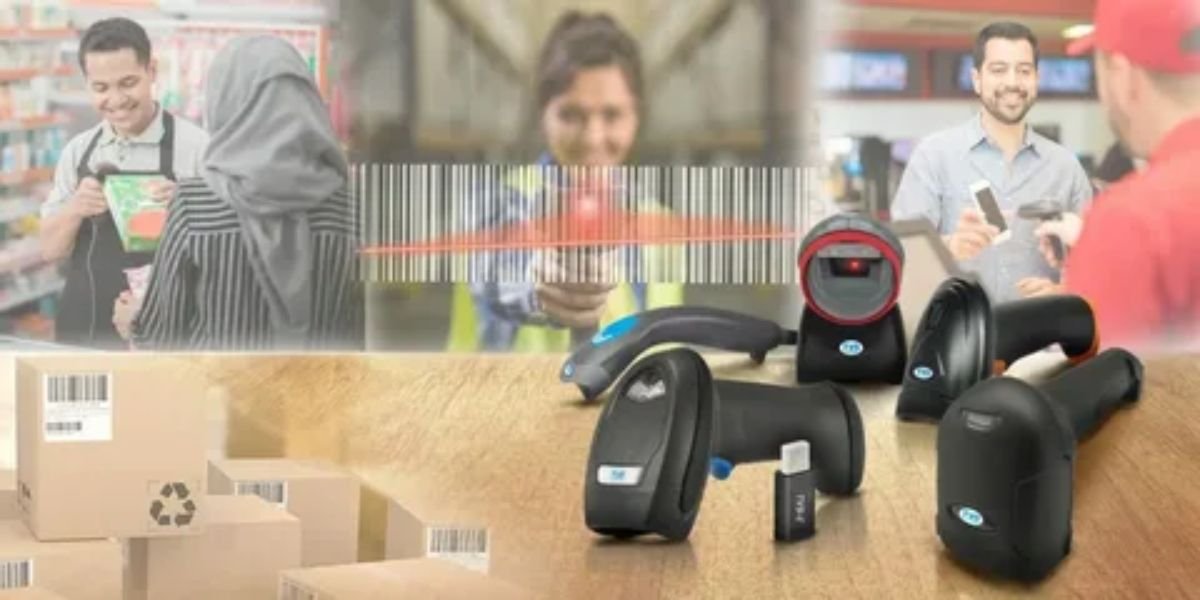
- Dedicated Handheld ID Scanner for Bars (Portable Scanners): These are all-in-one devices (like the IDVisor Smart V2) built specifically for door security. They are rugged, water-resistant, and ideal for high-traffic entry points or events where staff need to move around.
- Stationary/Countertop Scanners: These offer the fastest, most precise forensic analysis. They are best for fixed high-volume entrances and often include features like UV and infrared light analysis.
- ID Scanner for Bars App (Software-Based Mobile Solutions): This involves using a third-party app on a staff member’s existing smartphone or tablet. While budget-friendly, they are heavily reliant on phone camera quality and often lack the forensic-level fake ID scanner for bars detection of dedicated hardware.
How an ID Scanner Works in a Bar Environment
The process is speedy, usually taking less than two seconds:
- Scanning: The staff member swipes the magnetic stripe, holds the barcode (like the PDF417 2D barcode found on most U.S. and Canadian licenses) up to a camera, or places the physical ID on a flatbed scanner.
- Extraction: The scanner retrieves the encoded information, including the customer’s name, date of birth, expiration date, and ID number.
- Verification: The system instantly cross-references the extracted data against known ID formats, security features, and state/federal standards. It also performs a quick calculation to determine the person’s current age.
- Result: The device displays a clear pass (Green) or fail (Red) alert, often accompanied by a photo of the ID holder (if available on the document) and the calculated age.
Key Features of the Best ID Scanner for Bars
Choosing the right scanner means balancing budget with the features necessary to protect your business.
Fake ID Detection Accuracy
This is the non-negotiable feature. The best scanners use a multi-layered verification process:
- Barcode and Data Format Validation: Checking if the encoded information follows the specific standards (AAMVA) set by the issuing state.
- Document Authentication and Validation: Verifying sophisticated security elements like encrypted data or covert identifiers.
Software and Management Features
- Seamless Integration with POS Systems and Access Control: The best systems can communicate with your Point-of-Sale (POS) system for sales data or integrate with turnstiles for automatic entry.
- Management Dashboard: Cloud-based portals allow managers to remotely monitor patron count, track peak entry times, and analyze demographics to optimize staffing.
Data Storage, Logs, and Reporting Capabilities
A good ID scanner for bars is also a powerful data tool. It should securely log every scan, recording the time, date, ID status, and the type of ID presented. This data is essential for compliance audits and establishing your due diligence.
Data Privacy and Secure Storage
Compliance isn’t just about selling alcohol; it’s about protecting customer data. Look for scanners that:
- Minimize Data Storage: Some systems only log the time, date, and age—not the full PII (Personally Identifiable Information).
- Ensure Encryption: All stored data must be fully encrypted to protect against breaches and comply with privacy laws like GDPR (for international travelers) and state privacy acts (Source).
Why ID Scanners are Important for Bars Today
The investment in an ID scanner for bars provides returns in risk mitigation, efficiency, and compliance that far outweigh the initial cost.
Preventing Underage Drinking and Legal Penalties
Serving a minor is a serious offense that can lead to massive fines, the suspension or permanent revocation of your liquor license, and even jail time for the owner or serving staff. A scanner serves as the ultimate “due diligence” defense. If you can prove you used a certified, up-to-date scanning system, it strengthens your legal position significantly.
Reducing Human Error at Peak Hours
During the rush time (e.g, between 10 PM and 1 AM), staff are stressed, distracted, and moving quickly. This is precisely when a simple mistake—miscalculating an age, or waving through a suspicious ID—is most likely to occur. The scanner eliminates age calculation errors and provides a consistent, unbiased check every single time.
Improving Entry Speed and Customer Experience
While it may seem counterintuitive, a high-quality scanner is often faster than a careful manual check. A quick swipe or scan verifies the ID and age in under a second, keeping the line moving, reducing wait times, and improving the overall customer experience.
Enhancing Security and Reducing Liability
Scanners can be programmed to identify and log barred individuals or known troublemakers, improving venue safety. Furthermore, having a time-stamped log of every ID scanned can be invaluable evidence in the event of an incident or legal dispute.
Meeting Alcohol Compliance and Age Verification Laws
In many states and cities, local Alcoholic Beverage Control (ABC) laws strongly recommend or even mandate the use of electronic verification systems. By using an ID scanner for bars, you are proactively demonstrating commitment to the highest standards of alcohol compliance.
How to Choose the Best ID Scanner for Bars
Selecting the right device is a strategic decision that depends on your venue’s profile.
Bar Size, Venue Type, and Customer Volume
| Venue Type | Key Requirement | Recommended Scanner Type |
| Small Local Pub | Budget-friendly, basic compliance. | Reliable App or Low-Cost Portable Scanner. |
| High-Volume Nightclub | Speed, durability, rapid throughput. | Dedicated High-Speed Handheld Scanner. |
| Stadium/Outdoor Event | Wireless range, long battery life, ruggedness. | Ruggedized Portable Tablet Scanner. |
Budget, Hardware Costs, and Subscription Plans
Don’t just look at the upfront hardware price. Most advanced scanners operate on a subscription model for access to:
- Continuous Updates: New fake IDs and state ID formats are released constantly; the subscription ensures your database is current.
- Data Storage and Reporting: Cloud services for secure logging and reporting.
List of Top 10 ID Scanners for Bars
Patronscan: (Dedicated Hardware/Software) Highly specialized for nightlife; known for its “Flag Network” which alerts venues if a patron is banned across multiple locations.
VeriScan (by IDScan.net): (Software/Flexible Hardware) A robust software platform that runs on various devices (handheld, desktop, mobile). Known for its flexibility and strong document authentication features.
TokenWorks (IDVisor Series): (Dedicated Hardware) Offers user-friendly, standalone handheld and countertop devices (like the AgeVisor Mini and AgeVisor 2) focused on quick age verification and logging.
Minor Decliner: (Dedicated Hardware/Software) Focuses specifically on minimizing liability by providing fast, simple age verification and compliance logging for bars and liquor stores.
Scannet (GBG): (Dedicated Hardware/Software) A prominent system, particularly in the UK and European nightclub market, known for using multiple light sources (UV/IR) to detect sophisticated fake IDs.
FTx Identity: (Software/Integrated Solution) Offers ID scanning and age verification tools that often integrate seamlessly with Point of Sale (POS) systems, common in retail and hospitality.
iDU Identification: (Tablet-based Solution) Known for its tablet-based mobile scanning solution, speed, and real-time syncing across multiple entry points for high-volume venues.
E-Seek M500: (Hardware Component) This is a specialized, dual-sided ID imaging scanner often sold by software companies (like IDScan.net) to provide forensic-level document authentication using three light types.
ViAge ID Scanners: (Dedicated Hardware) Offers straightforward, affordable standalone hardware solutions (like the CAV-3200) often marketed for simple, contract-free age verification.
ID Scanner Professional / Vemos: (Mobile App Solutions) These are examples of popular third-party software applications (by vendors like Kupertino Labs or Vemos) that utilize a standard smartphone or tablet camera to scan and verify ID barcodes, offering a low-cost, flexible option.
Fake ID Scanner for Bars and the Role of Human Verification
The effectiveness of an ID scanner for bars lies in its ability to detect deviations from established patterns.
Barcode and Data Format Validation
Every state’s driver’s license follows a specific standard set by the American Association of Motor Vehicle Administrators (AAMVA). A sophisticated fake ID might look real, but the embedded barcode data is often incorrectly formatted or contains illogical information (e.g., an issue date that is later than the expiration date). The scanner flags these internal inconsistencies instantly.
Identifying Common Fake ID Red Flags
The software is programmed to look for known characteristics of mass-produced fraudulent IDs:
- Duplicate ID Numbers: Catching instances where the same ID number has been scanned multiple times.
- Photo Tampering: Using AI or comparison to detect misaligned photos or unusual crops.
- Out-of-State ID Usage: Flagging unusual frequency of IDs from distant or known “fake ID mills” states.
Fact: The most advanced fake IDs now replicate magnetic stripe data and 2D barcodes, making human verification alone essentially useless against organized fraud rings.
Why Human Oversight Still Matters
While the scanner is the primary defense, it is not a silver bullet. Staff must still:
- Examine the Photo: Compare the picture on the ID to the person in front of them.
- Feel the Card: Check for rigidity, peeling, or abnormal thickness.
- Ask Questions: Back up the electronic check by asking for the person’s address or date of birth.
ID Scanner for Bars Online vs Offline: Which Is Better?
Online scanners offer real-time database validation and updates, while offline scanners ensure uninterrupted service during connectivity issues. Many bars now prefer hybrid solutions that combine both for maximum reliability.
Common Mistakes Bars Make When Using ID Scanners
Even with the best hardware, a bar can still make operational errors that undermine the benefits of the technology.
Prioritizing Price Over Functionality
Choosing the cheapest solution, often an unreliable app or an outdated standalone scanner, is a common mistake. A low-cost system may not receive regular database updates, meaning it fails to recognize the newest, most common fake IDs—defeating the entire purpose.
Ignoring Staff Training
A staff member who is unsure how to use the scanner or doesn’t understand its importance will simply bypass it when the line gets long. Proper training ensures the system is used 100% of the time.
Not Verifying Compliance with Local Laws
Assuming the scanner’s default settings comply with local laws can be disastrous. Bars must verify their data retention and usage policies align with specific state and city mandates.
Using Outdated Scanning Software
An ID scanner that hasn’t been updated in six months is a huge liability. You must ensure the software is configured for automatic, frequent updates to maintain effectiveness.
Overlooking Data Privacy Responsibilities
Storing a massive database of customer names and birthdays without robust encryption and a defined disposal schedule is a major compliance blunder. Only store what is necessary.
Legal and Compliance Considerations for Bar ID Scanning
Before implementing any system, it is crucial to understand the legal landscape.
Is It Legal to Scan Customer IDs in Bars?
In most jurisdictions, yes, it is legal to scan IDs for age verification purposes. However, the legality hinges entirely on what data you store and how you use it.
Data Protection, Privacy, and Consent Requirements
This is where bars often run into trouble. While scanning the ID is typically fine, storing the customer’s full name, address, and date of birth may be restricted by state privacy laws.
- Best Practice: Always check your local and state laws. Many recommend only storing minimal, required data (e.g., age, time of entry, ID status) and implementing a clear data retention policy.
- Consent: Display clear signage informing customers that their ID will be scanned for age verification purposes.
Record-Keeping for Law Enforcement and Audits
Law enforcement and ABC agents often require logs in the event of an incident. A properly configured ID scanner for bars provides an unalterable, time-stamped record, which demonstrates your commitment to compliance during audits (Source).
Challenges and Limitations of ID Scanners for Bars
While ID scanners are a powerful tool, they are not without practical challenges that bar owners must address.
Dependence on Updated Databases
A scanner is only as good as its data. State ID formats change regularly, and new fake ID templates are constantly emerging. If you neglect your scanner’s subscription or fail to run updates, the device quickly becomes useless against the newest forms of fraud.
Privacy Concerns and Data Security Risks
Storing customer PII (Personally Identifiable Information) creates a legal risk. If the data is breached or mishandled, the bar could face lawsuits or severe penalties under local data protection laws.
Staff Training and Proper Usage
A sophisticated scanner is useless if staff don’t know how to use it correctly—or worse, if they simply bypass it to speed up the line. Consistent, mandatory training is necessary to ensure staff understand the importance and process of scanning every ID.
Cost Considerations for Small and Independent Bars
The combined cost of dedicated hardware and the recurring software subscription can be a significant barrier for smaller, independent venues operating on thin margins. They must carefully weigh this cost against the potential legal fees from a single compliance violation.
The Future of ID Verification in Bars
Technology continues to evolve, promising even faster and more secure verification methods:
- AI-Powered ID Analysis: Using artificial intelligence to spot minute visual and data anomalies that human eyes and basic scanners miss.
- Biometrics and Facial Verification: While currently raising privacy concerns, future systems may use facial recognition to verify that the person matches the scanned ID image.
- Contactless and App-Based ID Verification: Integrating with digital state-issued IDs (where available) for seamless, contactless entry.
- Integration with POS Systems, Mobile Ordering, and Smart Access: A future where ID verification is a single input that unlocks age-restricted purchases across all venue services.
Final Thoughts
For the modern bar owner, the question is no longer if you need an ID scanner, but which one.
The cost of an ID scanner for bars pales in comparison to the average penalty for a single instance of serving a minor, which can easily reach thousands of dollars, not including legal fees and lost revenue from a license suspension.
An ID scanner transforms your entry process from a liability into a fortress of compliance confidence. It’s the ultimate long-term protection for your business, your license, and your reputation. By choosing a system that prioritizes accuracy, data privacy, and up-to-date software, you invest directly in the security and longevity of your establishment.
FAQs
What is the most accurate ID scanner for bars?
Accuracy depends on multi-layer validation, regular updates, and proper staff usage.
Can an ID scanner detect all fake IDs?
No system is perfect, but scanners catch most counterfeit IDs that pass visual checks.
Are ID scanner apps reliable for bars?
Yes, especially for small to medium venues, when used correctly.
Do ID scanners store customer data?
Most modern solutions minimize or avoid data storage to protect privacy.
How much does an ID scanner for bars cost?
Costs range from affordable app subscriptions to higher-priced dedicated hardware.