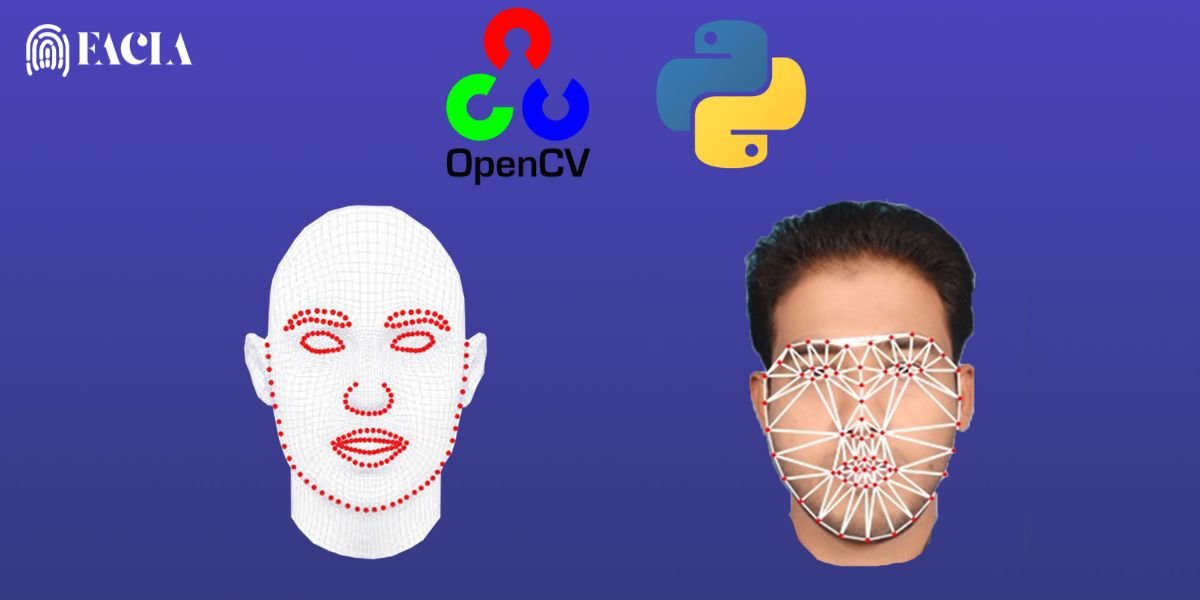
What is a KYC API in the context of our digital economy in 2026? It is the high-velocity engine that verifies identities behind the scenes so businesses can onboard honest customers without inviting criminals through the front door. As investigative journalists who track the flow of illicit funds, we have seen how manual verification fails under the pressure of modern deepfakes and synthetic IDs. This software bridge allows your platform to cross-reference a user’s face and documents against global databases in a heartbeat. In this guide, we break down the top kyc api solutions that provide the legal armor and technical speed your business needs to survive today’s regulatory heat.
Key Takeaways
- Millisecond Decisions: Modern APIs verify identities in under 3 seconds to keep conversion rates high.
- Anti-Fraud AI: Liveness detection and deepfake analysis are now standard to stop AI-generated spoofing.
- Regulatory Shield: Systems automatically update to match new laws in over 190 countries instantly.
- Pay-as-you-go: Pricing has become modular, allowing startups to pay only for the checks they actually run.
What Is a KYC API?
A know your customer api is a set of instructions that lets your app talk to identity verification experts. It replaces the old, slow way of emailing passport photos to a compliance team. Instead, the API captures the data, checks it for fraud, and sends back a “Pass” or “Fail” result in real-time.
By using a kyc api service, you tap into a massive network of government registries and credit bureaus. This allows you to verify a customer’s legal name, date of birth, and address without building a database yourself. It is the most efficient way to follow the law while keeping your user experience smooth.
How a KYC API Works
The magic happens through a digital handshake. When a user starts your signup process, the api kyc triggers a specialized camera interface on their phone. This ensures the image quality is high enough for the AI to “read” the security features on their ID card.
Identity Data Collection and Verification
Once the photo is snapped, the system uses OCR technology to pull text from the document. It doesn’t just look at the words; it looks at the font, spacing, and hidden watermarks. The kyc check api then compares this information against “Golden Sources”—official government records—to ensure the ID is valid and hasn’t been reported stolen.
AML, Sanctions, and Watchlist Screening
While the ID is being checked, the kyc aml api runs a background search on the individual. It scans thousands of global watchlists, including Interpol, the UN, and OFAC. This step is critical because it prevents your business from accidentally facilitating money laundering or terrorist financing.
Core Features of a KYC API
To beat the sophisticated fraud of 2026, an api for kyc needs more than just a basic scanner.
- Global Document Support: Your API should recognize over 10,000 different ID types. This includes everything from a US driver’s license to a digital ID from Estonia.
- 3D Liveness Detection: To stop deepfakes, the system must prove the user is a living, breathing human. It does this by tracking micro-expressions or asking the user to perform a small movement.
- NFC Chip Reading: Many modern passports have chips. A top-tier kyc verification api can “read” these chips through a smartphone, making forgery nearly impossible.
- Adverse Media Screening: The API should scan the news. If a customer is suddenly mentioned in a financial scandal, your system needs to flag them for review.
Who Uses KYC APIs?
If you are moving money or handling high-value assets, you are likely in the crosshairs of regulators like FinCEN or the EU’s AMLA.
Banks and Financial Institutions
Traditional banks use these APIs to compete with tech-first companies. It allows them to offer “instant” account opening, which was impossible when they relied on physical branch visits.
Fintech and Crypto Platforms
The crypto world is a major target for “smurfing”—breaking large sums into small transactions. High-speed kyc aml api tools identify these patterns across thousands of accounts simultaneously.
The “Tranche 2” Professionals
New laws now require real estate agents, lawyers, and accountants to verify their clients. They use a simple kyc api service to perform “Source of Wealth” checks, ensuring they aren’t helping criminals wash money through property.
Benefits of Using a KYC API
- Stop “Drop” Accounts: Fraudsters use stolen IDs to create “drop” accounts for moving money. APIs stop this at the door.
- Global Compliance: You don’t need a legal team in every country. The API provider handles the local laws for you.
- Data Security: Most providers use “Privacy by Design.” They verify the user and then delete the sensitive ID images, reducing your liability if you are hacked.
- Audit Readiness: Every check creates a time-stamped digital record. If an auditor comes knocking, you can prove you did your due diligence with one click.
KYC API Pricing
Pricing models have shifted significantly in 2026 to favor flexibility.
| Pricing Tier | Cost per Check | Best For |
| Startup / Lite | $1.50 – $2.50 | Early-stage apps with under 500 signups a month. |
| Growth / Standard | $0.60 – $1.20 | Mid-sized firms doing 1,000+ checks monthly. |
| Enterprise / Volume | $0.15 – $0.40 | Massive platforms like exchanges or global banks. |
Note: Some providers also charge a “platform fee” ranging from $200 to $1,000 a month for dashboard access and support.
Top KYC API Providers
These are the heavy hitters our investigative team considers the most reliable for 2026.
LexisNexis Risk (LexisNexis, Financial Crime, 2025)
This is the “big data” choice. Their API is unmatched when it comes to deep background checks. They use alternative data, like utility bills and address history, to verify people who don’t have a traditional credit score.
Fenergo (Fenergo, Client Lifecycle Management, 2026)
Fenergo specializes in “Corporate KYC.” If your business onboards other companies, their API handles the nightmare of finding “Ultimate Beneficial Owners” (UBOs) across different jurisdictions.
Moody’s (Kompany) (Moody’s, KYB & Identity, 2025)
Moody’s provides direct, real-time links to official government registries. Their API is famous for being “audit-proof” because it pulls data straight from the source, not a cached database.
Trulioo (Trulioo, Identity Verification, 2026)
Trulioo is the king of global reach. Their API connects to 450 data sources. If you are launching in emerging markets like Southeast Asia or Africa, this is often the only provider that can find the data you need.
Jumio (Jumio, AI Identity, 2025)
Jumio is our top pick for biometric security. Their “Identity Graph” uses data from over 1 billion transactions to spot fraudsters who try to use the same fake ID on multiple different platforms.
ComplyCube (ComplyCube, Compliance Automation, 2026)
ComplyCube is incredibly fast to integrate. Their “all-in-one” API is perfect for mid-market firms that want KYC, AML, and KYB (Business) checks in a single, simple code package.
Microblink (Microblink, Document Capture, 2025)
Microblink focuses on the “front end.” Their AI is the fastest at scanning documents on a smartphone. It captures data in less than a second, even in low light or with shaky hands.
KYC API Integration
Getting a kyc verification api into your app is a straightforward process for a developer. Most providers use RESTful architecture, which is the standard language of the web.
Technical Requirements:
- JSON Support: The API sends and receives data in JSON format.
- Webhooks: These tell your app “The check is done!” so you can instantly unlock the user’s account.
- Encryption: You must use TLS 1.3 to ensure that the user’s ID data is never intercepted while traveling to the API provider.
How to Choose the Right KYC API
Don’t just pick the cheapest option. A “Fail” result on a legitimate customer costs you more in the long run.
- Look for “Explainable AI”: If the API rejects someone, it must tell you why. Was it a blurry photo, or is the ID actually fake?
- Test the Mobile SDK: If the camera interface is hard to use, your customers will give up and go to a competitor.
- Check the Uptime: In 2026, if your KYC API goes down for an hour, your business effectively stops. Demand a 99.9% uptime guarantee.
Conclusion
As experts who track the shadow economy, we can tell you that a what is a kyc api search is the most important step you can take to protect your brand. In 2026, there is no room for “guessing” who your customers are. By choosing a robust kyc verification api, you are doing more than just following rules; you are building a wall against the criminals who thrive on anonymity. Integrity is the new currency, and the right API ensures your business stays rich in it.
FAQs
What is a KYC API?
It is a software tool that lets your app verify a customer’s ID and background instantly using official government and global databases.
How does an api kyc detect deepfakes?
It uses “liveness detection,” which checks for depth, micro-movements, and skin reflections that a video or photo cannot replicate.
How much does a kyc api service cost?
Most businesses pay between $0.50 and $2.00 per user, though high-volume companies can get the price much lower.
Is a kyc aml api required for all crypto apps?
Yes. In 2026, regulators worldwide require crypto platforms to identify their users to stop the movement of stolen or illicit funds.
How long does it take to integrate a kyc check api?
A competent developer can usually have a basic integration working in 3 to 5 days using the provider’s documentation.